Black Mangrove
Avicennia germinans
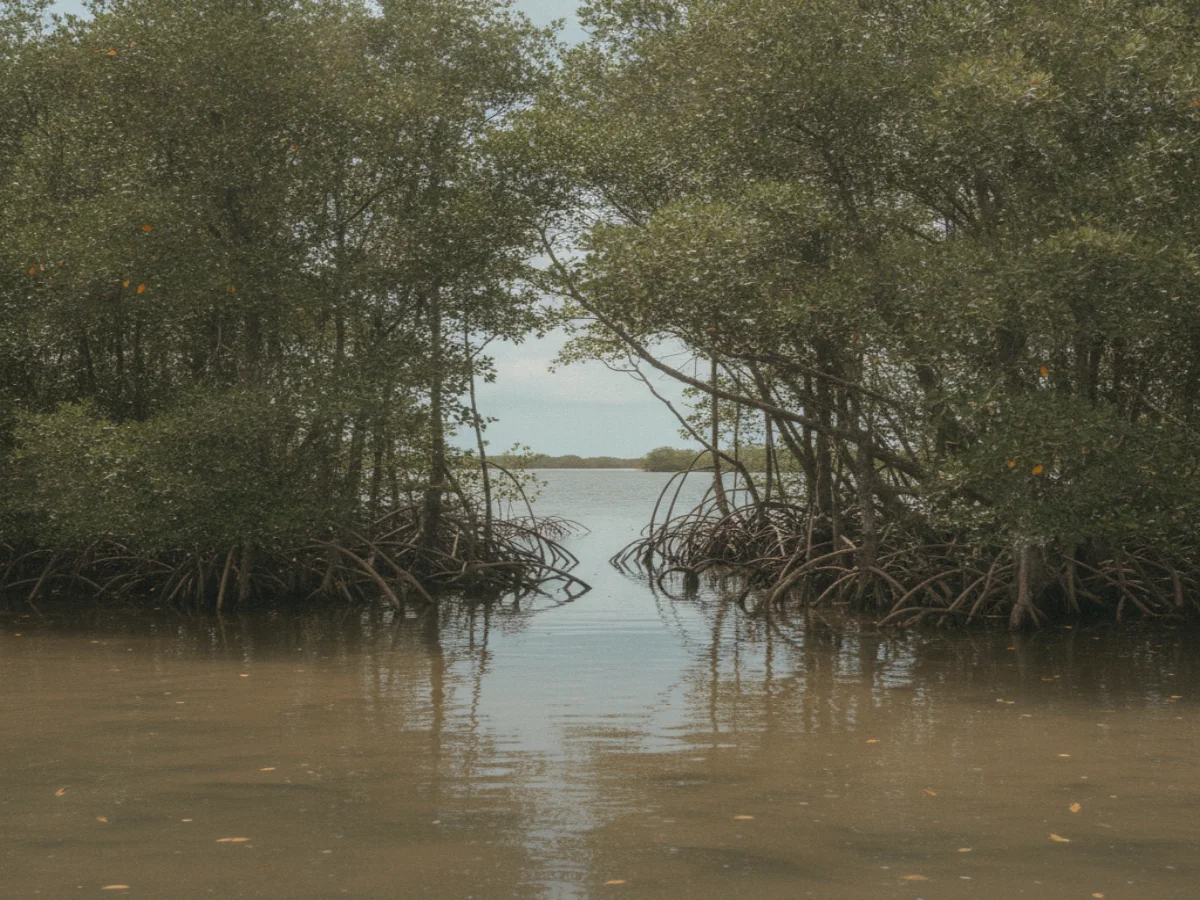
The most salt-tolerant mangrove, with its characteristic pneumatophores emerging from the ground like fingers to breathe. Essential for the stability of Panama's coastal ecosystems.
Avicennia germinans, the black mangrove, is distinguished from the red mangrove by its pneumatophores: respiratory roots that emerge vertically from the soil around the tree, like small fingers or pencils. These structures allow gas exchange in waterlogged, oxygen-poor soils. Its leaves show excreted salt crystals, visible on the underside. It tolerates higher salinities than other mangrove species, often found in the interior mangrove zone. In the Gulf of Panama, it forms mixed forests with Rhizophora mangle and Laguncularia racemosa. Its flowers produce high-quality honey prized in coastal beekeeping.
Habitat
Intertidal zones of estuaries and coastal lagoons, tolerates higher salinity