Panama · Engineering
Panama Canal
The shortcut between two oceans
The Panama Canal is one of the most important engineering works in history: an 82-kilometre waterway connecting the Atlantic with the Pacific, saving ships thousands of kilometres of sailing around South America. For the visitor it is far more than an engineering feat: it is a live spectacle, with giant vessels rising and descending through century-old locks.
More than 13,000 ships cross the canal every year, and seeing them up close is one of Panama's must-do experiences.
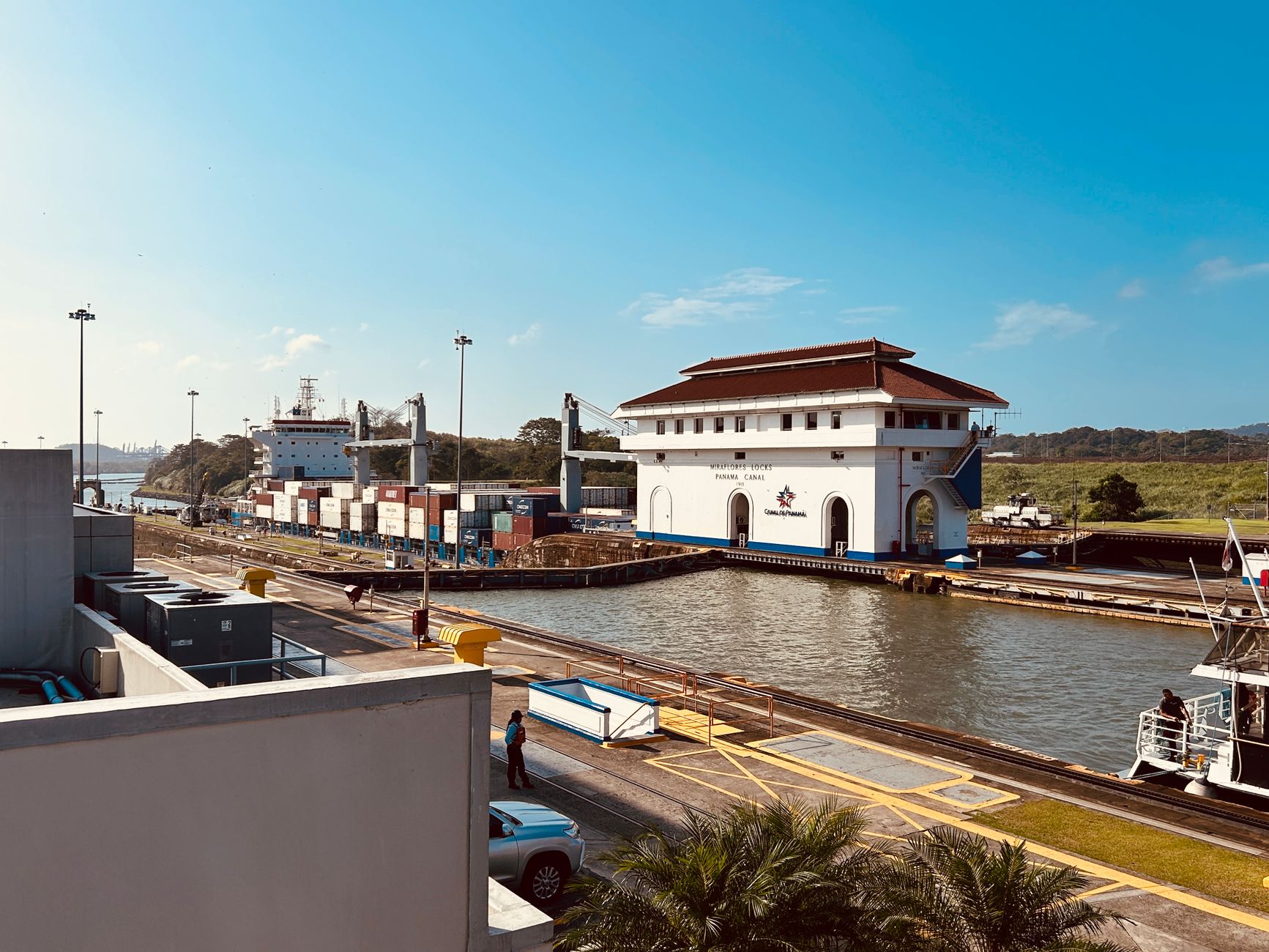
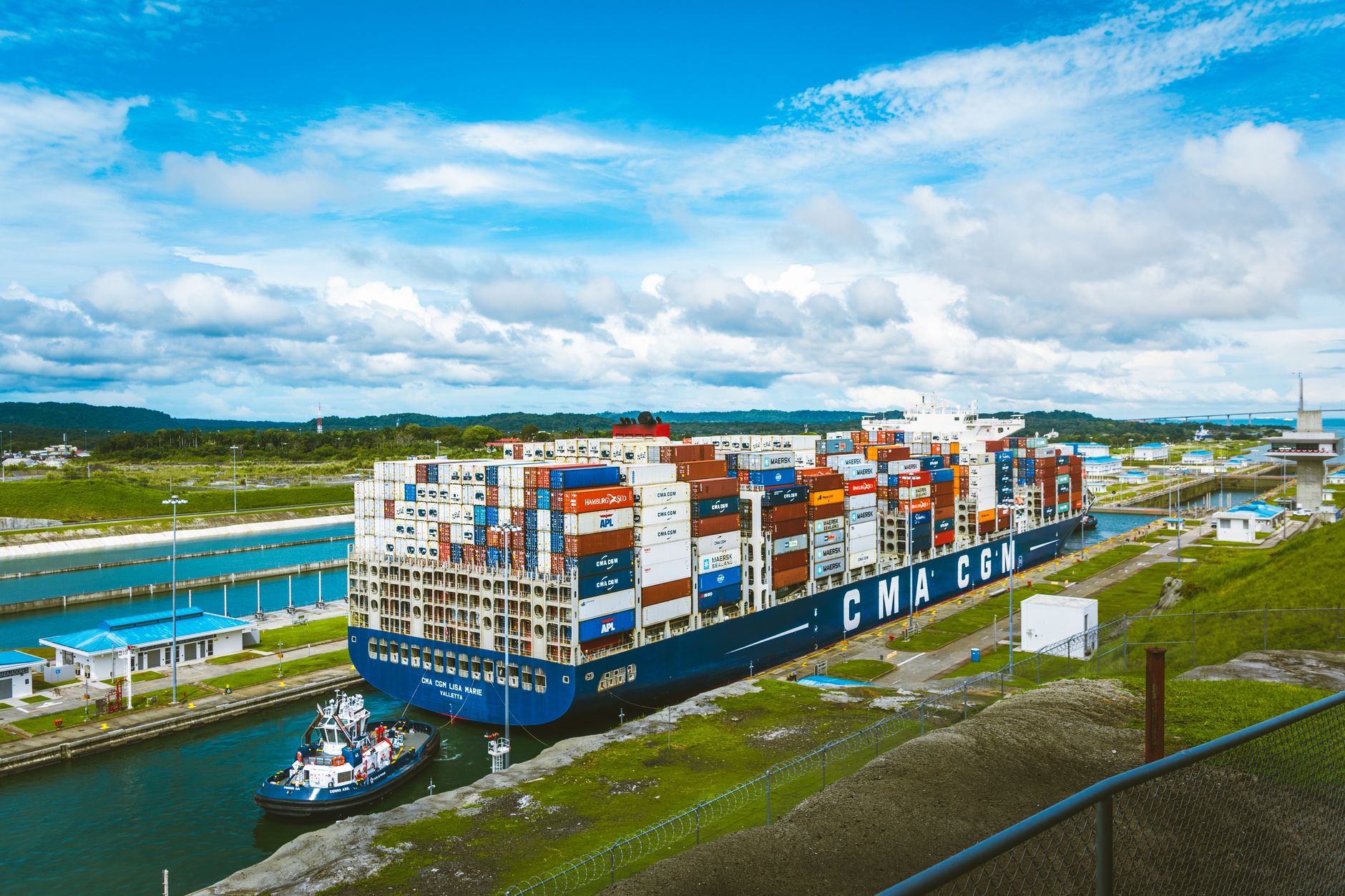
The Miraflores Locks
Watching ships pass from the visitor center terraces.
A story of ambition and effort
The French attempt
The first attempt to open the canal was led by the Frenchman Ferdinand de Lesseps, the engineer behind the Suez Canal. Between 1881 and 1889, malaria, yellow fever and landslides doomed the project, which claimed the lives of more than 20,000 workers.
The American feat
The United States took over the work in 1904. It first controlled the tropical diseases and then excavated the famous Culebra Cut. The canal opened on 15 August 1914 and has operated uninterrupted ever since.
The 2016 expansion
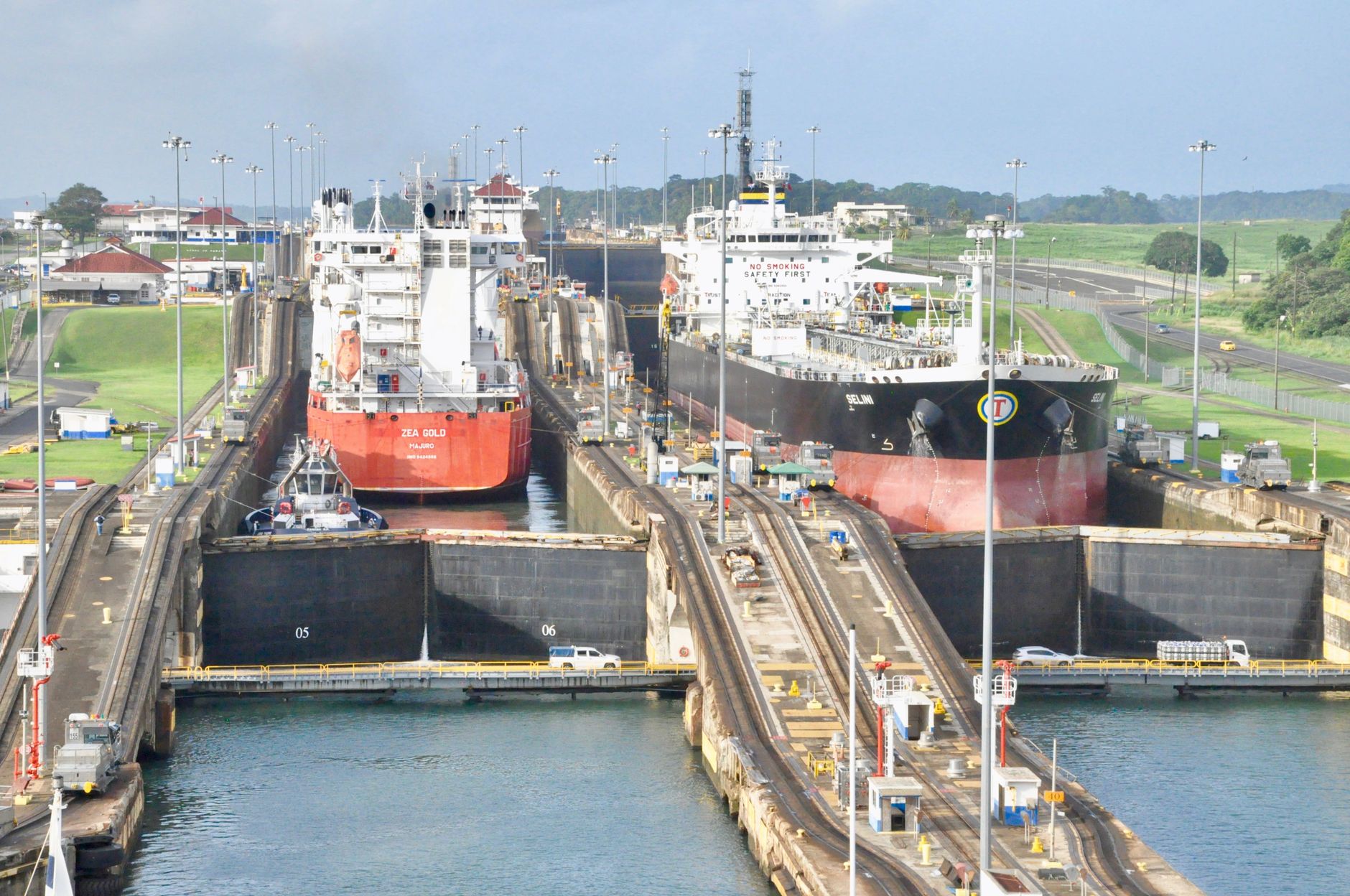
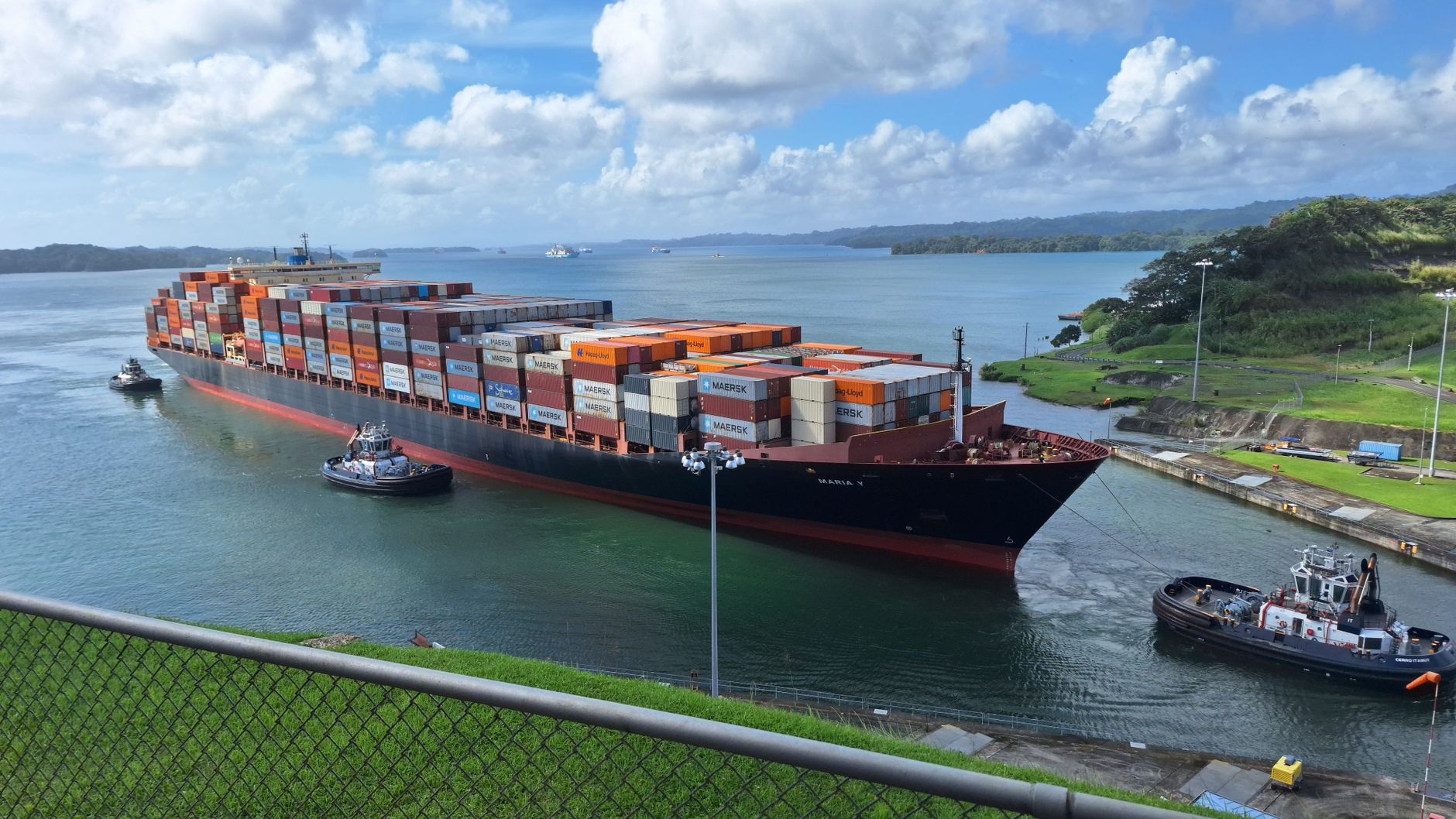
In 2016 the third set of locks opened, allowing the passage of the giant Neopanamax vessels. The new Agua Clara (Atlantic) and Cocolí (Pacific) locks doubled the canal's capacity.
How the canal works
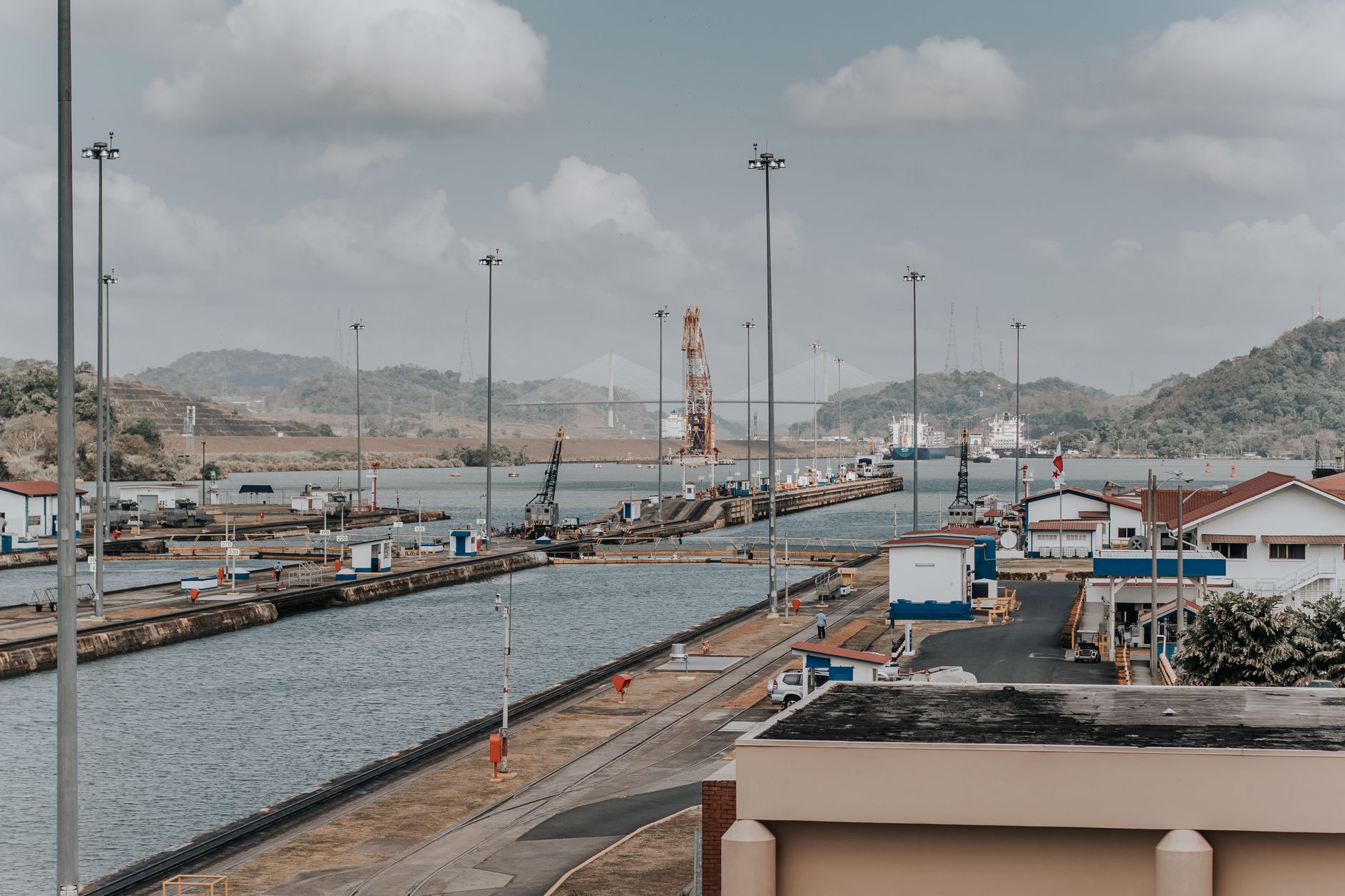
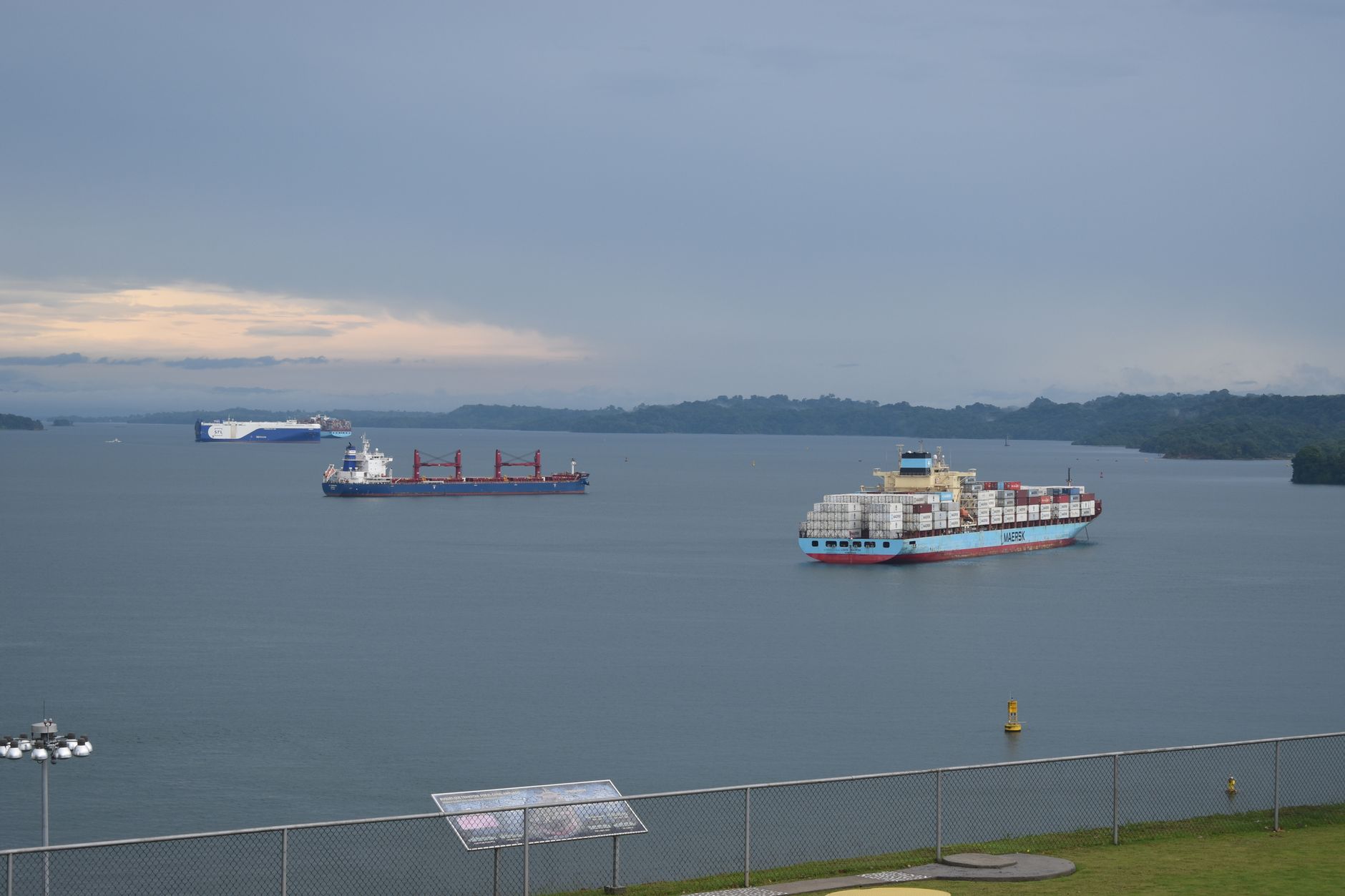
The canal is not a simple sea-level cut: ships rise about 26 metres up to Gatún Lake, cross the isthmus and descend again to the other ocean. To do this it uses locks with giant gates that fill and empty by gravity, with no pumps. The water comes from Gatún Lake, fed by the Chagres River.
The lock systems
The original canal has three sets: Miraflores (two chambers) and Pedro Miguel (one chamber) on the Pacific side, and Gatún (three chambers) on the Atlantic side. Added to these are the expanded Agua Clara and Cocolí locks, which operate in parallel for the largest ships.
Where to see the canal
Miraflores Visitor Center
The most visited spot, about 20 minutes from Panama City. From its terraces and bleachers you watch ships pass through the locks up close. The ticket includes the 45-minute 3D IMAX movie narrated by Morgan Freeman. Open daily 8:00 a.m.–6:00 p.m. (ticket office until 5:00 p.m.). Admission: $17.22 non-resident adults, $7.22 children 6–12, free under 6.
Agua Clara Visitor Center
On the Caribbean coast, near Colón, you can watch the new locks of the expanded canal and the Neopanamax vessels. Open 8:00 a.m.–5:00 p.m. (ticket window until 3:30 p.m.). Admission: $10.00 non-resident adults.
Canal tours
Partial transit (about 5 hours)
The most popular option: a ferry crosses the Miraflores and Pedro Miguel locks, sails through the Culebra Cut and Gatún Lake. It departs from the Amador Causeway and includes lunch and a guide. Approximate price: $150–220 per person.
Full transit (10–12 hours)
The definitive experience: crossing the canal from ocean to ocean through all three locks. A long but unforgettable day. Approximate price: $180–330 per person.
Recommended operators
Panama Canal Trips · Barefoot Panama · Adventures Panama · Panama Marine Adventures. Book ahead: slots sell out, especially in high season.
Practical tips
Based on other travellers' experience:
Timing matters
Ships pass through the locks at set times: in the morning (8:00–10:30) and in the afternoon (14:00–16:00). Between 11:00 and 14:00 there is usually a lull with no traffic — the ideal moment to watch the IMAX movie.
Book ahead
Buy tickets at visitcanaldepanama.com to skip the line and secure your movie slot.
Protect yourself from the sun
The observation terraces are outdoors. Bring sunscreen, a hat and water, especially between December and April (dry season).
For the full transit
It's a 12-hour day: bring sunscreen, light layers and, if you get seasick easily, motion-sickness medication.